Modern Nordic Wooden TV Stand: Sizing, Storage & Style
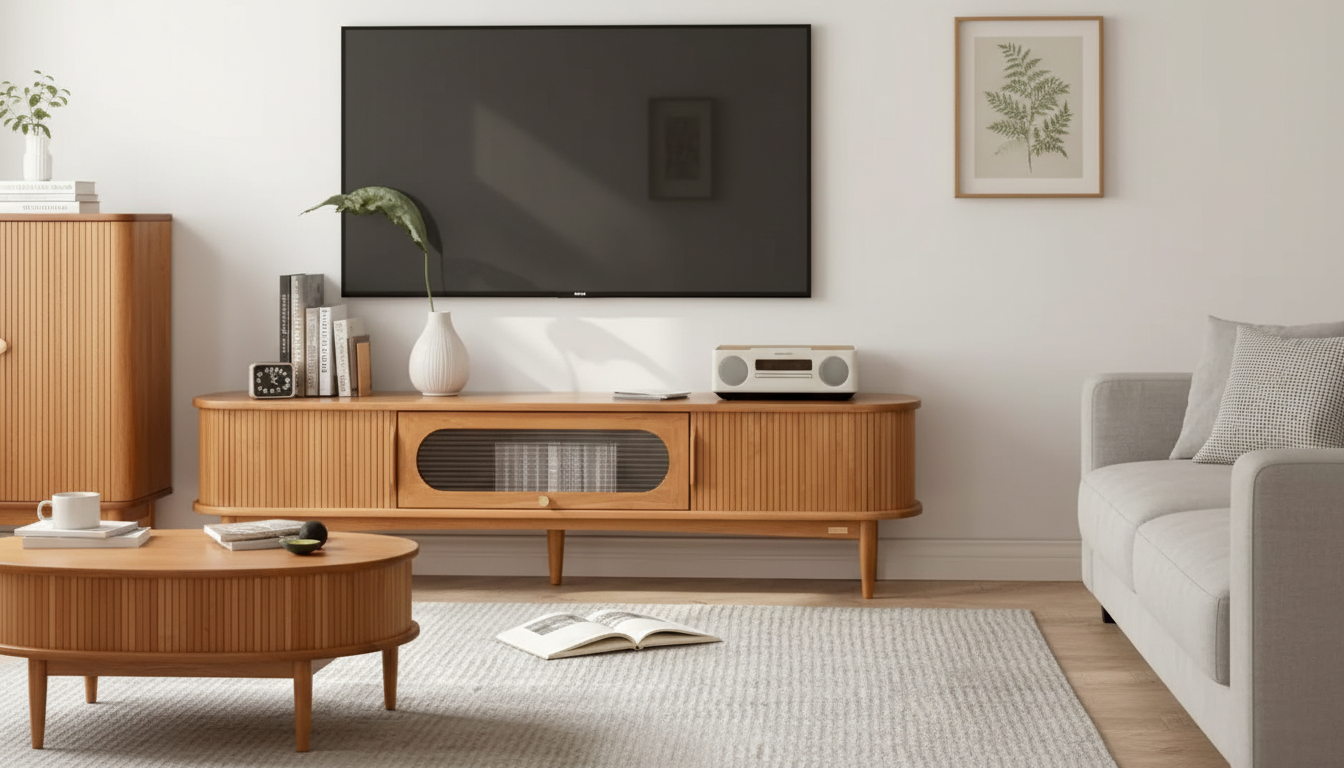
Modern Nordic Wooden TV Stand: Clean Lines, Warm Wood, and Calm Storage
A Nordic-inspired TV stand balances simplicity with practicality—warm wood tones, uncluttered surfaces, and storage that keeps everyday tech from taking over the room. The best pieces feel visually light, yet work hard behind the scenes: hiding cables, organizing devices, and giving the whole media wall a calmer rhythm. Below are the key details to prioritize, how to size the stand to your room, and easy styling moves that keep the space intentional without feeling sterile.
What Makes a Nordic-Style TV Stand Work in Real Homes
The Nordic look is less about “bare” and more about balance. A great stand uses proportion and negative space so it doesn’t visually crowd the room, especially in smaller living areas.
- Minimal silhouette: Clean lines and a simple front elevation help the stand fade into the background while the room feels more open.
- Wood-forward warmth: Natural wood tones add texture and contrast against light walls, neutral rugs, and soft textiles—modern, but not cold.
- Closed storage: Cabinets or drawers keep controllers, remotes, and odd-shaped adapters out of sight so the media zone stays calm.
- Practical dimensions: The height and width should support comfortable viewing and stable placement for your TV.
- Durable finishes: The top surface, edges, and door fronts get the most contact. A finish that stands up to daily use keeps the stand looking new longer.
Room Fit: Sizing, Placement, and Viewing Comfort
Before falling for a beautiful wood grain, make sure the stand fits the wall, the seating layout, and the way the room is actually used day to day.
- Leave breathing room: Measure the wall width and aim for visible space on both sides so the stand reads as centered rather than squeezed into place.
- Check viewing height: For comfortable watching, the TV’s center generally lands close to seated eye level. If your sofa is low (or you often recline), a slightly lower stand can feel more natural.
- Plan door/drawer clearance: Make sure cabinet doors or drawers can open fully without bumping a coffee table, pouf, or sofa arm.
- Wall-mounting strategy: A wall-mounted TV can look lighter, while the stand stays below as the visual anchor and storage hub. Plan the cable path so cords don’t dangle.
- Robot vacuum considerations: If you use a robot vacuum, confirm leg height and clearance if you want it to pass underneath.
Materials, Build Details, and Finish Choices to Prioritize
Nordic furniture looks simple, which means construction details matter. If the build is solid, the stand feels quiet and stable—no wobble, no fussy hardware, no distracting gaps.
- Stability first: Look for sturdy joinery and a stable base or legs that won’t rack on rugs or slightly uneven flooring.
- Finish performance: Prioritize surfaces that resist water rings and light scratches. Coasters and soft pads under décor still help, especially on the top.
- Softened edges: Rounded or eased edge profiles read more Nordic and are friendlier in tight walkways or family rooms.
- Clean hardware: Simple pulls or touch-latch doors keep the face looking uncluttered and modern.
- Ventilation: If you’re housing a console, router, or receiver in closed storage, ensure there’s airflow so heat can dissipate.
For a quick overview of furnishing safety considerations, see UL 962A: Household and Commercial Furnishings.
Cable Management and Device Organization Without the Clutter
A Nordic media setup looks best when the “tech layer” is present but visually quiet. The trick is planning before you plug anything in.
To reduce energy waste from electronics that stay connected, review ENERGY STAR’s tips for home electronics.
Quick Checklist: Matching Stand Size to TV and Storage Needs
| TV size (diagonal) | Recommended stand width | Suggested storage focus | Placement notes |
|---|---|---|---|
| 43–50 in | 55–70 in | 1–2 cabinets or drawers for remotes and small accessories | Works well in apartments; keep walkway clearance generous |
| 55–65 in | 70–90 in | Mix of closed storage + ventilated space for console/router | Center on the wall; allow space for speakers or plants |
| 70–85 in | 90–110+ in | More compartments for multiple devices and media | Consider wall-mounting TV to reduce visual mass |
Styling a Nordic Media Wall: Calm, Balanced, and Lived-In
Modern Nordic Wooden TV Stand: At-a-Glance Details
Featured Picks Available Now
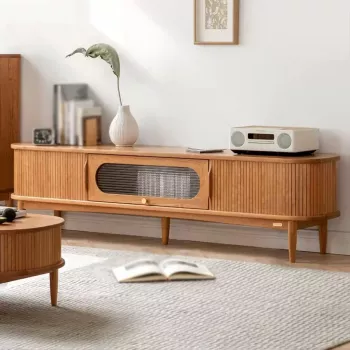
- Modern Nordic Wooden TV Stand — a warm-wood anchor that supports streamlined styling and tidier storage.
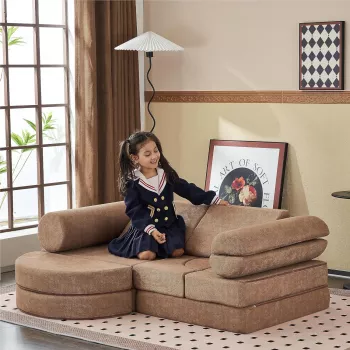
- 14-Piece Modular Kids Couch and Play Set – Luxury Floor Sofa for Toddlers & Adults — flexible floor seating that can help fine-tune viewing comfort and create a cozy, low-profile lounge zone.
Care and Long-Term Maintenance
For safer everyday cleaning product guidance, reference EPA Safer Choice.
FAQ
Should the TV stand be wider than the TV?
Generally yes for visual balance and stability. A wider stand also gives you extra surface room for speakers or décor and provides safer edge clearance; compare your TV’s exact width to the stand’s top width.
Can a wooden TV stand hold a large TV safely?
Yes, if the stand’s weight rating, top thickness, and base stability match the TV’s weight and footprint. Make sure the TV feet sit fully on the surface, and consider wall-mounting for very large screens.
How can cables be hidden without drilling into the wall?
Use adhesive cable raceways, cable ties, and rear pass-through openings when available. Keep extra cord length bundled inside a cabinet and place a compact power strip where it won’t be seen from the front.










Leave a comment