Breathable Air-Cushion Bike Saddle Cover for Comfort

Breathable Shock-Absorbing Air Bike Saddle Cover for Comfortable Cycling
Long rides and rough pavement can turn a good bike into a painful one. A breathable, shock-absorbing air saddle cover adds a cushion layer that softens bumps, reduces pressure on sensitive areas, and helps keep heat and sweat from building up. It’s a practical upgrade when your saddle shape is basically right, but comfort fades as the miles add up—whether that’s a commute with stop-and-go streets, a fitness loop on chipseal, or an indoor session where airflow is limited. For more guidance, see Info – Bicycle Saddles – Oklahoma Bicycle Society.
What an Air-Cushion Saddle Cover Changes on the Road
An air-cushion saddle cover changes how the saddle feels without forcing a major swap or a full bike-fit overhaul. Air-cell designs dampen high-frequency vibration from coarse asphalt and light gravel, which can reduce overall fatigue during longer rides. They also spread body weight across a slightly wider contact area, helping reduce “hot spots” that show up as soreness in the same small patches ride after ride. For further reading, see [PDF] BEFORE YOU GO – Adventure Cycling Association.
Because the air cells compress and rebound, the cover can add a subtle suspension-like feel while keeping the underlying saddle’s shape and support. And when the top layer is designed to breathe, it helps manage sweat and heat—often the difference between finishing a ride comfortable versus dealing with chafing after the first few miles.
Breathability and Cooling: Staying Comfortable After Mile 5
Cooling isn’t just about comfort—it’s about consistency. Sweat trapped against the saddle can increase friction, which raises the chance of chafing and irritation. Look for covers that use ventilation channels, perforations, or mesh-like surfaces that let air move as you pedal. This matters even more in summer riding, humid climates, and indoor training where there’s less natural airflow.
Breathable materials work best when the cover fits tightly. If a cover bunches or wrinkles, it can trap heat and create pressure ridges. A smooth, secure setup keeps airflow pathways open and helps the cover feel “invisible” under you instead of like an extra layer you’re constantly noticing.
Shock Absorption: How Air Cushioning Helps With Bumps
Air-cell cushioning compresses on impact and rebounds quickly, softening sharp hits from cracks, seams, and potholes. Many riders prefer this responsive feel over overly soft foam that can “bottom out,” where the padding compresses fully and stops absorbing shock. When impacts feel less abrupt, it’s easier to stay stable in the saddle rather than shifting around to find relief.
For best results on rough surfaces, pair cushioning with the fundamentals: reasonable tire pressure for your tire size, a saddle height that doesn’t make you rock side to side, and a position that supports your sit bones without forcing excessive pressure forward. If you want a quick reference for saddle-height fundamentals, this guide is a solid starting point: Bicycle Saddle Height (Sheldon Brown).
Common Saddle Cover Materials and What They Feel Like
| Cushion type | Ride feel | Best for | Potential drawback |
|---|---|---|---|
| Air-cell / air cushion | Springy, impact-dampening | City streets, mixed surfaces, longer comfort rides | Needs a snug fit to avoid shifting |
| Gel padding | Plush, pressure-relieving | Short-to-medium rides, riders sensitive to pressure points | Can retain heat; may feel heavy |
| Foam padding | Soft at first, varies by density | Budget comfort upgrades, casual riding | May compress over time; can feel bulky |
| Minimal/mesh cover | Cooler, lighter feel | Hot climates, indoor training, already-comfortable saddles | Limited shock absorption |
Fit and Compatibility: Getting a Secure, No-Slip Setup
Comfort Factors Beyond Padding
Clothing matters, too. Cycling shorts or seamless underwear can reduce chafing substantially, especially on longer rides where moisture builds up. Tire setup is another big lever: wider tires at appropriate pressure can noticeably reduce vibration, making your saddle cover’s shock absorption feel even more effective. For additional background on saddle soreness and friction management, see: Chamois cream and saddle soreness basics (BikeRadar).
Care and Longevity
Product Spotlight: Breathable Shock-Absorbing Air Bike Saddle Cover
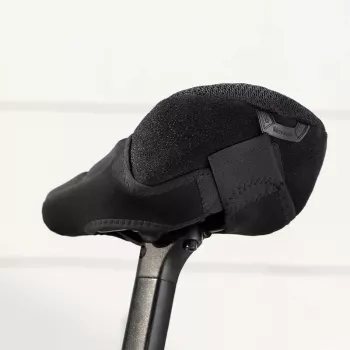
If your current saddle is close to right but becomes uncomfortable over time, the Breathable Shock-Absorbing Air Bike Saddle Cover for Comfortable Cycling is designed to blend airflow-friendly materials with impact-dampening air cushioning. It’s especially helpful for riders who notice road buzz, pressure points, or heat buildup during commutes and longer sessions.
Who This Type of Saddle Cover Suits Best
Small Add-On for Everyday Riding
Comfort is also about how you feel off the bike during errands or commuting. If you ride in casual clothes, a sturdy belt can help keep your fit secure when you’re on and off the saddle. The Men’s 1.5 Inch Retro Genuine Leather Handmade Casual Jeans Belt is an easy everyday add-on for riders who commute in jeans or travel between stops.
FAQ
Will an air-cushion saddle cover fit any bike seat?
Most air-cushion covers fit a wide range of saddles, but width and shape matter. Measure your saddle and choose a size and attachment style that can cinch down tightly for a snug, no-slip fit.
Can a saddle cover fix numbness or pain?
It can reduce pressure and vibration, which often improves comfort. Persistent numbness may still require adjusting saddle height or tilt, checking overall bike fit, or switching to a saddle shape that better supports your sit bones.
How do you stop a saddle cover from sliding?
Align the cover carefully before tightening, then secure the straps/drawstring firmly and evenly. Cleaning the saddle surface can help grip, and a short test ride followed by a re-tighten usually eliminates remaining slip.













Leave a comment