Soft Polka Dot Winter Coat for Dogs & Cats: Fit Guide
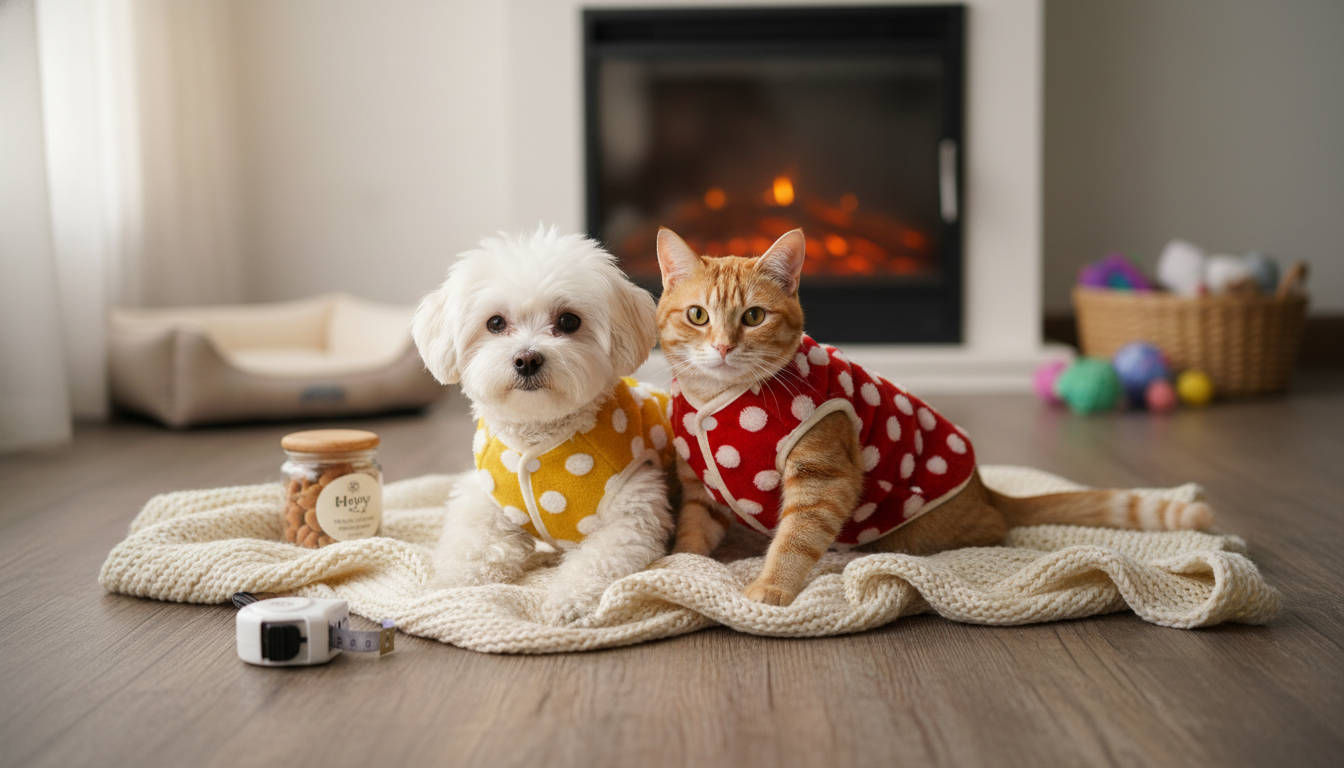
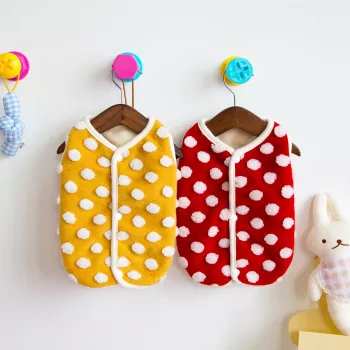
Cozy Polka Dot Plush Dog & Cat Winter Coat
Cold days can make walks and indoor drafts uncomfortable for many pets—especially short-haired breeds, small dogs, seniors, and cats that love warm nap spots. A plush winter coat adds an extra layer of insulation while keeping movement easy for play, potty breaks, and daily routines. The Cozy Polka Dot Plush Dog & Cat Winter Coat is made to feel soft against the fur, look cheerful, and help pets stay comfortable when temperatures drop.
What Makes a Winter Coat Comfortable for Pets
A good cold-weather layer should warm the body without turning your pet into a stiff, waddling marshmallow. Comfort matters because a coat that rubs, pinches, or shifts around is likely to be resisted—even if it’s warm.
- Soft, plush feel that reduces irritation and helps pets tolerate wearing it longer.
- Warmth without bulk so legs and shoulders can move freely during walking or jumping.
- Secure, non-restrictive closure that stays put without pinching or pulling fur.
- Practical coverage over the back and chest while keeping the belly and potty areas workable.
- Easy on/off design for pets that dislike getting dressed or wiggle through outfit changes.
Highlights of the Cozy Polka Dot Plush Dog & Cat Winter Coat
Some coats are built for deep snow adventures; others are ideal for everyday winter comfort—quick potty breaks, chilly morning routines, or cooler spots around the house. This plush polka dot option is designed for light, cozy warmth with a friendly look.
- Plush texture helps retain warmth and feels cozy for lounging or relaxing after a walk.
- Polka dot pattern adds a playful style that’s cute without being over-the-top.
- Made for dogs and cats, which is helpful if you’re shopping for multiple pets.
- Lightweight warmth for car rides, brisk outdoor trips, and drafty indoor spaces.
- Budget-friendly for seasonal use or as a backup coat when the temperature drops fast.
If you’re ready to check details and current availability, see the Cozy Polka Dot Plush Dog & Cat Winter Coat.
How to Measure for the Best Fit
Fit is what turns a warm coat into a wearable coat. A size that’s too tight can restrict breathing and shoulder movement, while a size that’s too loose can twist, snag, or shift during walks.
- Measure back length from the base of the neck (where a collar sits) to the base of the tail.
- Measure chest girth at the widest part of the ribcage; this is often the most important measurement.
- Measure neck circumference if the coat has a higher collar or snug neckline.
- If between sizes, choose based on chest girth first; a too-tight chest fit can restrict breathing and movement.
- After putting it on, check range of motion: shoulders should move freely and the coat should not ride up into the armpits.
Quick Fit Checklist
| Area | What to Look For | Too Tight Signs | Too Loose Signs |
|---|---|---|---|
| Chest | Two fingers fit comfortably under the coat | Shallow breathing, stiff gait | Coat shifts side-to-side |
| Neck | Sits flat without pressing the throat | Coughing, scratching at neckline | Gaping collar, slipping backward |
| Back length | Covers core without blocking tail | Bunching at shoulders | Exposed mid-back, rides forward |
| Leg openings | No rubbing in armpits or inner thighs | Chafing, redness, reluctance to walk | Twisting, snagging on legs |
When a Plush Coat Helps Most
Not every pet needs a coat every day, but many benefit when conditions are cold, windy, or damp. Plush coats are especially helpful for pets that get chilly quickly or spend time in cooler indoor areas.
- Small dogs and short-haired breeds that lose body heat quickly on brisk walks.
- Senior pets with arthritis or reduced circulation that benefit from gentle warmth.
- Pets that shiver indoors due to drafts, cooler floors, or lower winter thermostat settings.
- Cats that enjoy supervised outdoor time or spend hours in chilly window-perch areas.
- After grooming, when a pet’s coat may be shorter and less insulating than usual.
For broader seasonal precautions, review cold-weather safety guidance from the American Veterinary Medical Association (AVMA) and the ASPCA.
Care, Cleaning, and Everyday Use Tips
Safety Notes for Cold Weather Wear
For dog-specific cold weather reminders, the American Kennel Club (AKC) offers helpful guidelines on winter conditions and outdoor time.
Product Page
- View details, pricing, and availability for the Cozy Polka Dot Plush Dog & Cat Winter Coat.
- Consider ordering an additional size if your pet is still growing or falls between measurements.
- Keep one coat near the door for quick potty breaks and another near favorite indoor resting spots if drafts are common.
More In-Stock Picks to Round Out Your Cold-Season Routine
- 14-Piece Modular Kids Couch and Play Set – Luxury Floor Sofa for Toddlers & Adults
- Trendy Black Round Bee Stainless Steel Stud Earrings for Women
- Men’s 1.5 Inch Retro Genuine Leather Handmade Casual Jeans Belt
FAQ
How do I know if my pet needs a winter coat?
Common signs include shivering, lifting paws, hesitating at the door, or wanting to turn back quickly—especially in small or short-haired pets and seniors. A coat can improve comfort, but always monitor your pet and limit time outside when it’s extremely cold or windy.
Should a dog or cat wear a coat indoors?
Indoor wear can help in drafty homes, on cooler floors, or for older pets that get chilled easily. Remove the coat if your pet starts panting, seems restless, or seeks cooler spots, and do regular skin checks to ensure there’s no rubbing.
What’s the most important measurement for choosing the right size?
Chest girth is usually the most important, followed by back length and neck size. Prioritize a comfortable chest fit and confirm your pet can move shoulders and legs freely once the coat is on.













Leave a comment