Gentle Parenting Scripts: Calm Boundaries & Better Behavior
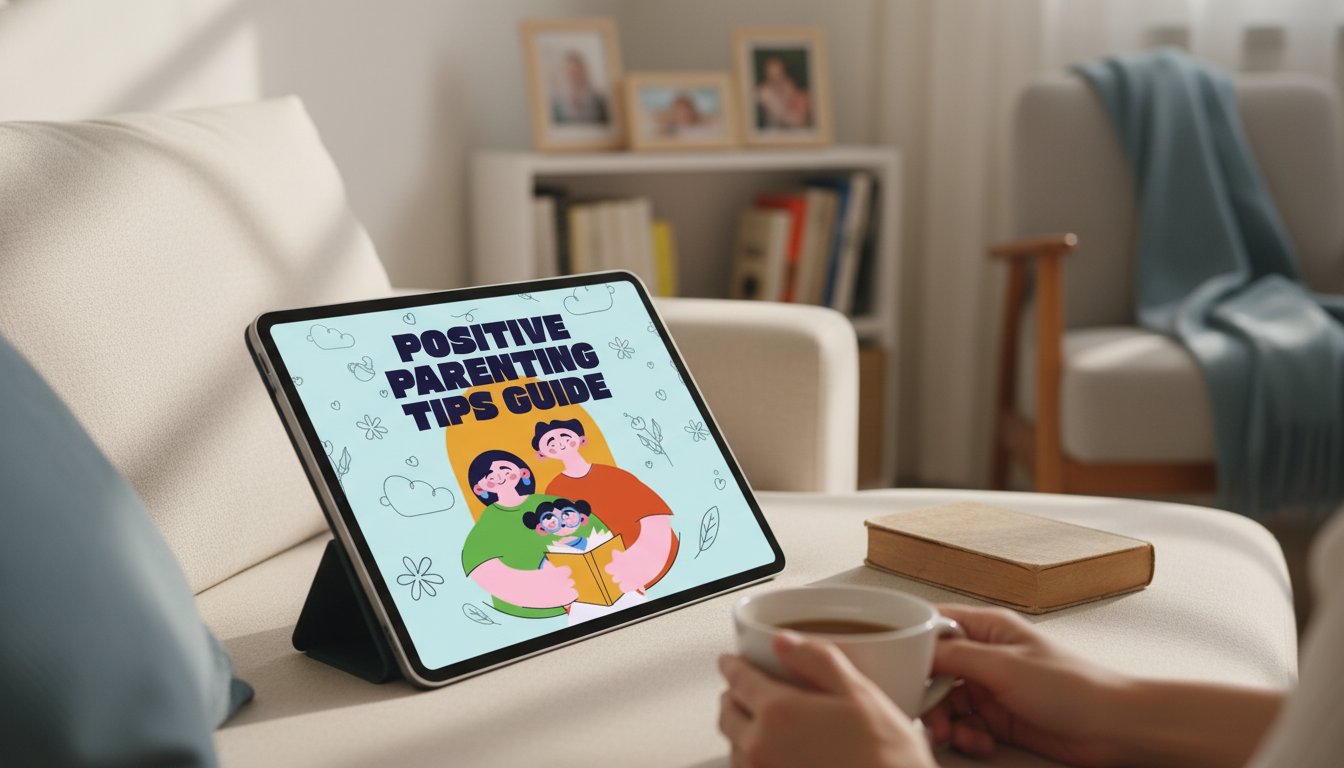
Positive Parenting Tips Guide: Gentle Parenting and Empathic Communication for Everyday Moments
Gentle parenting and empathic communication help children feel safe, understood, and guided—without relying on fear or shame. The goal isn’t “perfect behavior.” It’s building skills: emotional regulation, cooperation, and problem-solving. The ideas below are designed for real life—quick scripts you can say out loud, boundaries that stay steady, and repair tools for the days that go sideways.
If you like research-backed, practical parenting guidance, these resources are a helpful starting point: American Academy of Pediatrics, CDC parenting essentials, and Zero to Three.
What Gentle Parenting Looks Like Day to Day
Gentle parenting is not permissive parenting. It’s warm, firm, and predictable—especially when kids are overwhelmed.
- Connection first: greet feelings with calm attention before correcting behavior. When kids feel seen, they can hear the boundary faster.
- Firm limits, respectful tone: the limit isn’t negotiable, but the child’s feelings are welcome. “You can be mad; you can’t throw.”
- Guidance replaces punishment: teach skills (waiting, asking, calming down) instead of delivering consequences meant to hurt.
- Repair is normal: after conflict, name what happened, apologize for harsh moments, and restate the plan.
- Consistency comes from routines: predictable responses and follow-through—not intensity—help kids trust what’s next.
Empathic Communication Scripts for Common Situations
Empathy doesn’t mean agreeing; it means accurately naming what’s happening inside your child. When emotions are big, keep words short and repetitive.
- Reflect the feeling: “You’re really upset because you wanted more playtime.”
- Name the boundary: “It’s time to leave the park. I won’t let you run into the street.”
- Offer a safe choice: “Do you want to hop like a bunny to the car or hold my hand?”
- Focus on the need underneath: “You want control. You can choose which shoes, but shoes are required.”
- Explain later: during dysregulation, fewer words work better; process after calm returns.
Quick phrases to use in the moment
| Moment | What to say | Why it helps |
|---|---|---|
| Tantrum in public | “You’re having a hard time. I’m right here. We’ll leave when your body is safe.” | Co-regulates and sets a clear safety boundary |
| Hitting/kicking | “I won’t let you hit. Hands are for helping. You can stomp or squeeze this pillow.” | Stops harm and redirects to a safe outlet |
| Refusing to listen | “You don’t want to. I hear you. The rule is _____. I’ll help you start.” | Validates resistance while keeping the limit |
| Sibling conflict | “Both of you want the same thing. I’ll hold it while we decide a plan.” | Prevents escalation and models problem-solving |
| Bedtime delays | “Two choices: one book or two short songs. After that, lights out.” | Adds autonomy within a predictable routine |
Setting Boundaries Without Power Struggles
Many “power struggles” are really “uncertainty struggles.” Kids push harder when they don’t trust what happens next. Calm follow-through is what makes boundaries feel real.
- State limits as actions, not threats: “If you throw blocks, blocks go away until tomorrow.”
- Use one warning at most: then follow through calmly to build trust in the boundary.
- Describe the next step: “I’m going to carry you to the bath now.” (Neutral voice, steady pace.)
- Separate the child from the behavior: “You’re a good kid having a tough moment.”
- Swap “Why?” for “What do you need?” During meltdowns, problem-solving questions usually backfire; support first.
Helping Kids Build Emotional Skills
Kids learn regulation through repeated experiences of being guided back to calm. Think: teach when calm, coach when upset, review afterward.
- Teach calm-down tools while regulated: belly breathing, counting, stretching, cold water, a quiet corner, sensory items.
- Emotion coaching: label feelings, validate, then coach the next step (“mad… and we use words”).
- Practice problem-solving: define the problem, brainstorm options, pick one, try it, revisit.
- Reinforce effort: “You stopped and took a breath—nice work.” Notice the skill, not just the outcome.
- Build a feelings vocabulary: books, games, and everyday naming (“disappointed,” “nervous,” “proud”).
Routines That Reduce Conflict (Morning, Meals, Homework, Bedtime)
Routines reduce the number of decisions a child has to fight about. They also help parents conserve energy for the moments that truly need it.
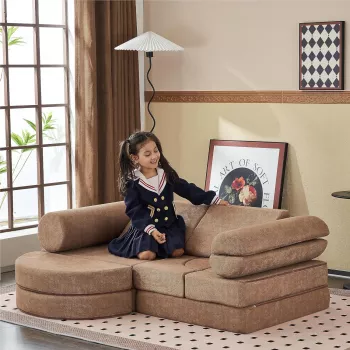
For kids who need lots of movement to regulate, having a dedicated play-and-crash zone can help transitions feel less explosive. A flexible, floor-level setup like a 14-Piece Modular Kids Couch and Play Set – Luxury Floor Sofa for Toddlers & Adults can support calm-down body breaks, cozy reading routines, and screen-free decompression after school.
Repair After Yelling or a Rough Moment
A Printable-Style Resource for Busy Parents
Option to keep on your device or print: Positive Parenting Tips Guide | Gentle Parenting eBook | Empathic Communication | Digital Download for Moms & Dads.
FAQ
Does gentle parenting mean no consequences?
No. Gentle parenting avoids punishment meant to shame or scare, but it still uses calm, logical or natural consequences that teach and protect safety (for example, thrown toys are put away). Consistency and follow-through are what make the consequence effective.
What can be said when a child refuses to cooperate?
Try: “You don’t want to. I hear you. The rule is _____. You can choose A or B, and I’ll help you start.” Keep it short while emotions are rising, then talk more once your child is calm.
How long does it take for these strategies to work?
Many families notice quicker wins with routines and simple scripts, but deeper change usually takes consistent practice over weeks. Progress is often uneven—look for reduced intensity, fewer repeat battles, and faster recovery after hard moments.















Leave a comment