Women’s Pink Loose Blazer: Easy Work-to-Weekend Style
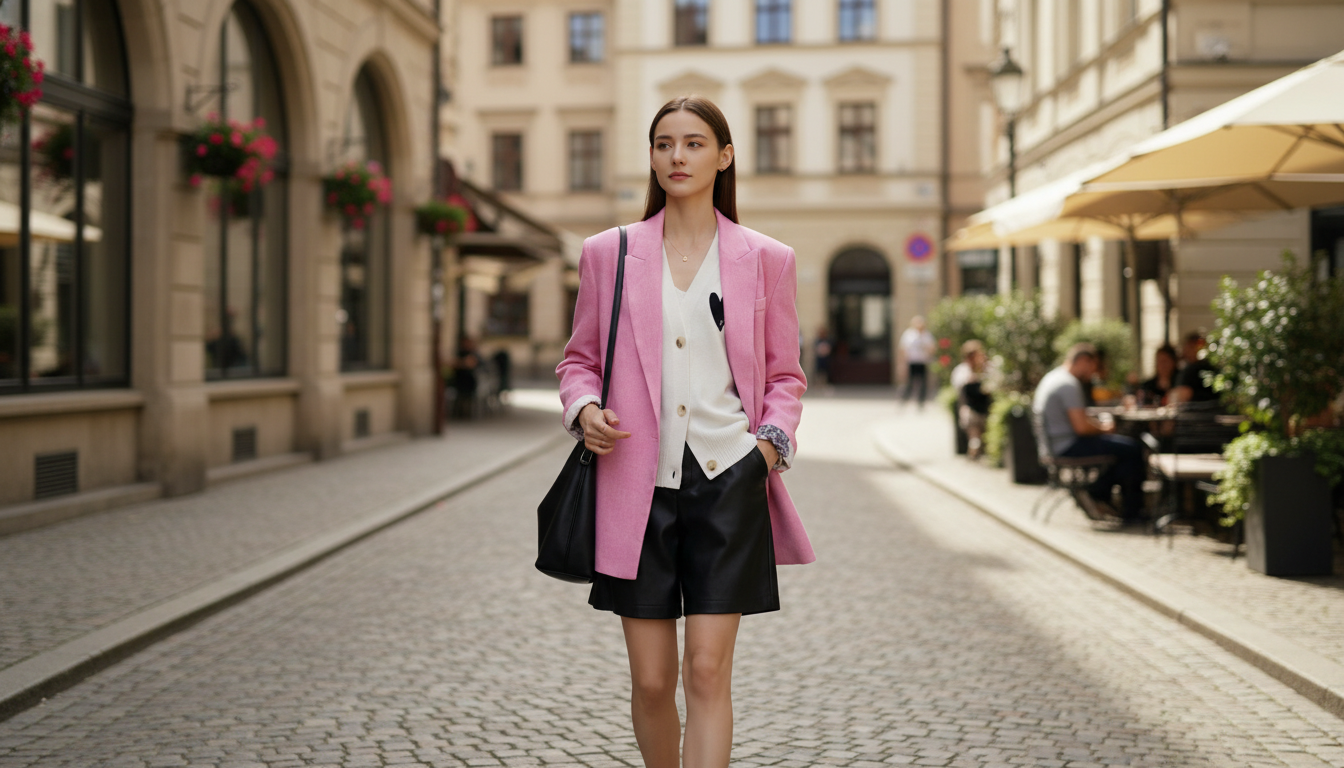
Women’s Pink Loose Blazer: Relaxed Tailoring for Work, Weekends, and Events
A loose blazer adds structure without feeling restrictive, making it easy to dress up denim, soften office looks, or layer over evening outfits. The magic is in the balance: relaxed where you want comfort, tailored where you want polish. Below are the key features to look for in a relaxed-fit blazer, outfit ideas that work across seasons, and care habits that help it keep a crisp, intentional shape.
What Makes a Loose Blazer Different
A loose blazer is defined by ease through the shoulders, chest, and waist—room that makes layering feel natural instead of tight or fussy. Compared to traditional suit jackets, it often leans longer with softer construction, so it drapes rather than stands stiffly away from the body.
This relaxed silhouette also helps balance proportions. It can elevate casual basics (think tees, denim, sneakers) while still looking modern when worn slightly oversized. The best part is flexibility: instead of swapping jackets for every occasion, you can keep the same blazer and change the base layer, shoes, and accessories to shift the vibe.
Spotlight: Women’s Pink Loose Blazer
A pink loose blazer brings color without sacrificing versatility. It pairs effortlessly with neutrals like black, white, beige, and gray—so it can be the statement without forcing the rest of your outfit to compete. The relaxed fit supports comfortable, all-day wear while still reading as tailored and put-together.
For styling, it moves easily between minimalist (white tee + straight-leg jeans), office-ready (monochrome trousers + loafers), and occasion looks (slip dress + heels). Before choosing your size, use product photos to evaluate drape at the front panels, lapel shape, and hem length—those details influence whether it looks “intentionally relaxed” or simply too big.
| Item | Details |
|---|---|
| Product | Women’s Pink Loose Blazer |
| Price | 190.17 USD |
| Availability | In stock |
| Product page | https://ultimateselectionsgallery.shop/womens-pink-loose-blazer/ |
Fit and Sizing: Getting the Relaxed Look Without Losing Shape
Fit starts at the shoulders. Ideally, the shoulder seam sits near the shoulder edge; a slight drop can look cool and modern, but too much overhang can read sloppy and distort the sleeve line. Next, check sleeve length: aim around the wrist bone. If it’s a touch long, cuffing once can look styled rather than accidental.
Pay attention to the button stance and closure. Many loose blazers are meant to be worn open; if you want the option to button, make sure it closes without pulling across the bust or creating diagonal stress lines. Length matters, too: hip-length is classic and versatile, longer lengths elongate the body and pair well with slim bottoms, and shorter cuts can balance wide-leg trousers.
Finally, do a quick layer test. If you plan to wear it as transitional outerwear, make sure it feels comfortable over a light sweater or hoodie and that your arms move easily when reaching forward or driving.
Fabric, Structure, and Comfort Checks
Construction is what separates a blazer that looks relaxed from one that looks rumpled. Lighter linings and softer shoulder structure tend to feel more breathable and casual. Drape is equally important: a fabric with some fluidity falls cleanly down the body, while stiffer weaves look sharper and more “suiting.”
Think about wrinkle behavior if you commute or travel. Some fabrics show creases quickly and need frequent steaming; others hold their shape better between wears. Also consider warmth: looser fits can trap more heat when layered over knits than you might expect. For sensitive skin, smooth linings and a comfortable collar/cuff finish can make a noticeable difference during all-day wear.
Outfit Ideas: Styling a Pink Loose Blazer
Workday polish
Pair the blazer with a white blouse, tailored ankle pants, and a low heel. If you want more shape, add a belt over the blazer for a defined waist—especially effective with straight or slim trousers.
Smart casual weekend
Try a ribbed tank, high-rise jeans, and sneakers. Rolling the sleeves gives a modern, easy silhouette and keeps the look relaxed without losing the tailored vibe.
Evening contrast
Cold-weather layering
Color pairing shortcuts
Accessories That Finish the Look
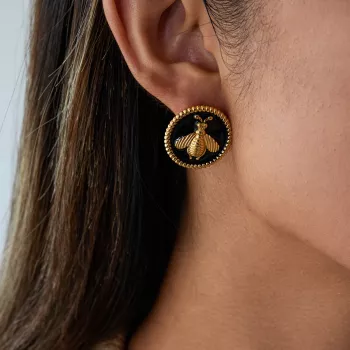
Accessories can sharpen a relaxed blazer in seconds. Small, glossy studs keep attention on the blazer’s color and silhouette while still feeling intentional—options like Black bee stud earrings are an easy day-to-night pick.
A belt adds texture and structure over looser outfits, especially when styling the blazer over dresses or longer tops. If you like a more defined waist, try a leather option such as the Retro genuine leather jeans belt for a classic finish.
Care and Longevity
Always start with the care label—blazers often need gentle washing or professional cleaning depending on fabric and internal structure. For general fabric-care guidance, the American Cleaning Institute is a helpful reference, and the FTC’s care labeling rule explains what symbols and instructions are required on apparel labels.
FAQ
How should a loose blazer fit at the shoulders?
A relaxed blazer can have a slight shoulder drop, but the line should still look intentional and clean. Avoid excessive overhang or bunching, and test movement by reaching forward—your shoulders shouldn’t feel restricted or pull the fabric awkwardly.
Can a pink blazer be worn year-round?
Yes—swap lighter tops and loafers or sneakers in spring and summer, then move to knits, trousers, and boots in fall and winter. Neutral pairings like gray, beige, white, and black keep pink looking versatile in every season.
What’s the best way to remove wrinkles from a blazer?
Steaming is typically the best first option because it relaxes wrinkles without flattening the fabric. If you iron, use low heat with a pressing cloth, and hang the blazer afterward; in a pinch, letting it hang in a steamy bathroom can help release light creases.











Leave a comment